



Current: Boyan | The NeverEnding Story
February 19 - March 28, 2026
Solo Show: Boyan
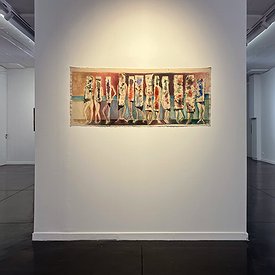
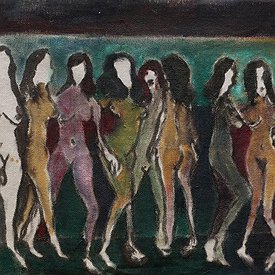
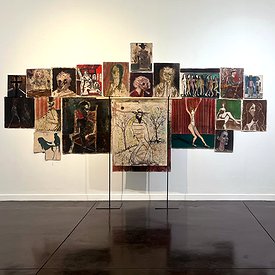
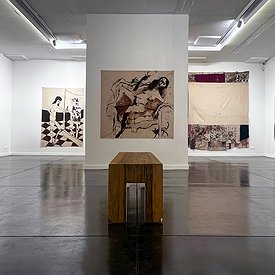
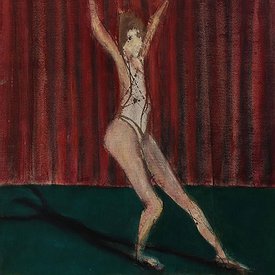
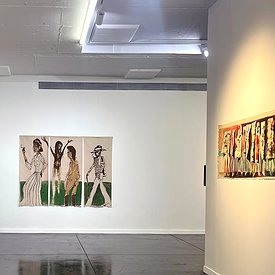
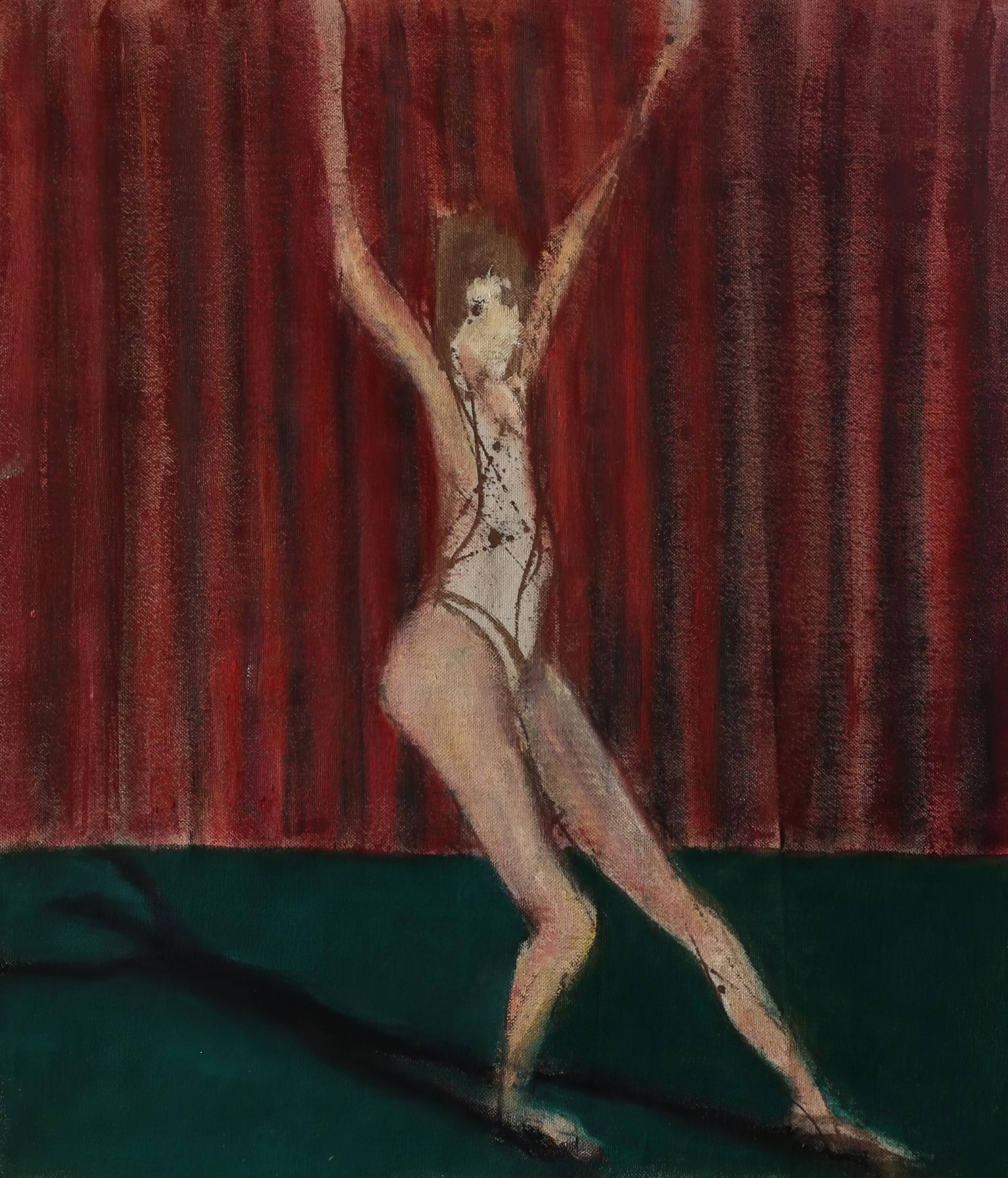
A group of women socializing in the nude, other women gazing ahead, figures that seem caught in dialogue with an unseen presence, and a single recurring male figure walking— these elements compose Boyan’s new exhibition. The paintings resemble moments lifted from scenes of an old European film, with stylized characters seemingly torn, in the very moment, from a dense narrative. The figures, slightly blurred, stand at the center of the painting; most are painted against backgrounds devoid of landscape markers, their presence expressive and full of vitality.
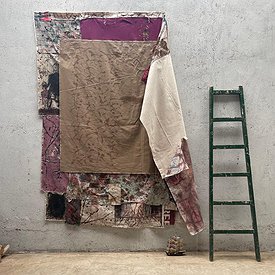
In contrast to the seemingly still figures, the act of painting itself is fast and intuitive. The brush is used to hurl paint, while rags are employed to smear it across the canvas. The canvas lies on the floor during the painting process. At times, Boyan’s foot leaves an unexpected mark; in other moments, his fingerprint. The canvas is exposed, without any preparatory layer. Sometimes it is a canvas that previously bore a painting. Often, the image is placed on the reverse side of an already-painted canvas. In other cases, the painting begins with a series of random stains dripped from industrial materials. Substances that leave irreversible, unerasable marks on the surface. At times, these are drops of wood stain; at others, brightly colored pesticides. These are materials with little or nothing to do with painting, adhering to the canvas only partially and unevenly. Yet the painting, which begins with stains and brushstrokes, does not remain in a vague, abstract state; this is merely its point of departure. A coincidental surface, an unpredictable space bordering on calamity—one that contains a lack of control as the foundation for what follows.
Boyan’s painting does not build itself gradually, as in classical painting. The works are not preceded by planning, drawing, or sketching. The event either fully occurs or dissipates entirely at once. The potential for mishap, chance, and loss of control present at the painting’s inception accumulates within the image and becomes its private history. The painting seems to discover itself from what already lies on the canvas, holding the story without telling it. A history that lives beneath the layers of paint. The rags beside the painting obscure the figures or merge with them, momentarily revealing the history of the painting process. In this way, the finished painting preserves within it both the tool with which it was made and the stains from which it began, alongside the figure that emerged. This is an intense, material, and direct form of painting. Boyan draws on different painting styles from various periods in art history. The process is unruly, and through it a world emerges that simultaneously contains dislocation and enchantment. The act of painting moves between abstraction and figuration, generating a psychological state as much as it presents a representation.
Among the figure paintings, a recurring image appears of a walking man. This is a tribute to Vincent van Gogh’s lost painting The Painter on the Road to Tarascon, which depicts the artist on his way to work and is considered the first self-portrait Van Gogh ever painted. The moment of the painter walking toward the studio embodies potential, while the painting of that moment closes a circle, leaving the movement suspended in place. Thus, the walking figure seems to propel the entire exhibition forward while simultaneously returning it to the same point—back to painting itself.
-Efrat Klipshtein, February 2026
_____________________________________________
הסיפור שאינו נגמר
תערוכת יחיד: בויאן
19.02.2026 - 28.03.2026
קבוצת נשים מתרועעת, בעירום, נשים אחרות מישירות מבט, דמויות שנדמה כמו נתפסו בדיאלוג עם דמות נעלמה ודמות גברית אחת, הולכת, שחוזרת על עצמה, מרכיבות את התערוכה החדשה של בויאן. הציורים נדמים כמו רגעים שנלקחו מתוך סצנות של סרט אירופאי ישן עם דמויות מסוגננות שנתלשו בזה הרגע מעלילה דחוסה. הדמויות המטושטשות מעט ניצבות במרכז הציור, מרביתן מצויירות על רקע נטול סממני נוף, ונוכחותן אקספרסיבית ומלאת חיים.
בניגוד לדמויות הדוממות תהליך הציור מהיר, אינטואיטיבי. המכחול משמש לזריקת צבע וסמרטוטים למשיחתו על הבד. הבד מונח על הרצפה בעת הציור. לעיתים כף רגלו של בויאן משאירה עליו סימן לא צפוי, וברגעים אחרים - טביעת האצבע. הבד חשוף ללא כל שכבת הכנה. לעיתים, מדובר בבד שכבר היה מונח עליו ציור אחר. לא פעם הציור ממוקם על צידו השני של בד שכבר צויר. במקרים אחרים הציור מתחיל מסדרת כתמים אקראיים שמטופטפים בחומרים תעשייתיים. חומרים שמשאירים על הבד סימנים שלא ניתן לתקנם או למחוק אותם. לפעמים אלו טיפות של צבעי עץ ולעיתים חומרי הדברה צבעוניים. חומרים שאין להם דבר וחצי דבר עם ציור והם נצמדים אל הבד באופן חלקי ולא אחיד. אולם, הציור, שמתחיל בכתמים ומשיחות מכחול לא נשאר במקום העמום, המופשט; זוהי נקודת המוצא שלו. משטח של מקריות, מרחב לא צפוי, על גבול התאונה, מרחב שמכיל בתוכו את חוסר השליטה כבסיס להמשך.
הציור של בויאן איננו בונה את עצמו בהדרגה כמקובל בציור הקלאסי. לציורים לא קדמו תכנון, רישום או סקיצה. האירוע הציורי מתרחש במלואו או מתפוגג לגמרי באחת. פוטנציאל התאונה, המקריות וחוסר השליטה של ראשית הציור צבורים בתוך הדימויים ונהיים להיסטוריה הפרטית של הציור. הציור כמו מגלה את עצמו מתוך מה שמונח על הבד, מכיל את הסיפור מבלי לספר אותו. היסטוריה שחיה מתחת לשכבות הצבע. הסמרטוטים שצמודים לציור מסתירים את הדמויות או מאוחים איתן ולרגע גם חושפים את תולדות התהליך הציורי. כך הציור השלם משמר בתוכו גם את הכלי עמו צוייר ואת הכתמים שמהם החל, וגם את הדמות שנוצרה. זהו ציור אינטנסיבי, חומרי וישיר. בויאן משתמש בסגנונות ציור שונים מתקופות שונות בתולדות האמנות. התהליך פרוע ודרכו נוצר עולם שמכיל באותה הנשימה תלישות וגם קסם. פעולת הציור נעה בין הפשטה לפיגורציה ומייצרת מצב נפשי לא פחות משהיא מניחה בפנינו ייצוג.
בינות לציורי הדמויות חוזר שוב ושוב ציור ובו אדם הולך. זוהי מחווה לציורו האבוד של וואן גוך The Painter on the Road to Tarascon, ציור המתאר את האמן בדרכו לעבודה, והוא נחשב לדיוקן העצמי הראשון שצייר ואן גוך. הרגע בו הצייר הולך אל הסטודיו הוא הפוטנציאל ואילו הציור של הרגע הזה סוגר מעגל שמותיר את המהלך במקומו. כך הדמות ההולכת כמו מעניקה תנועה לתערוכה כולה ובו בזמן מחזירה אותה לאותו המקום, אל הציור.
- אפרת קליפשטיין, פברואר 2026
Read More
Links
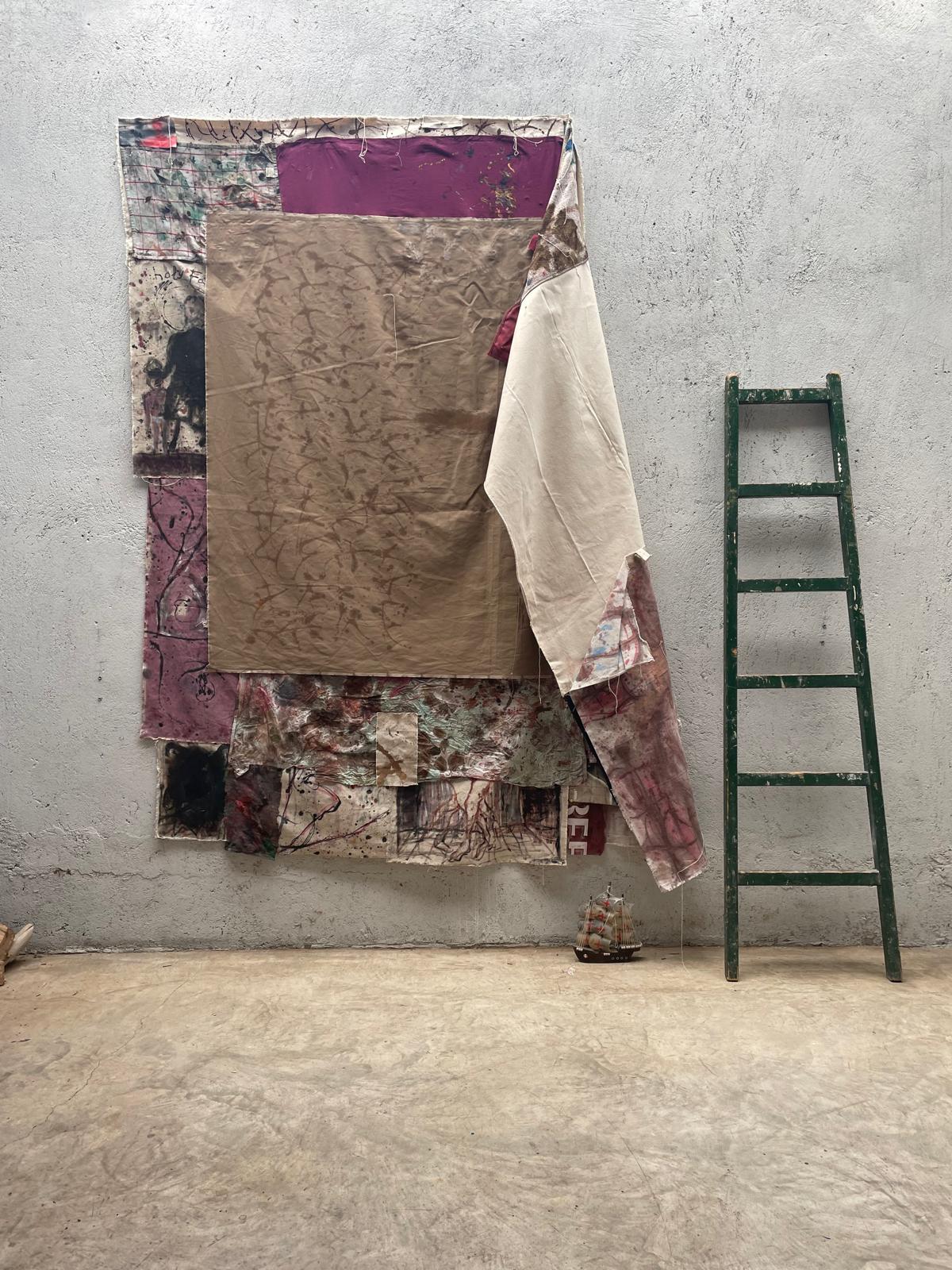
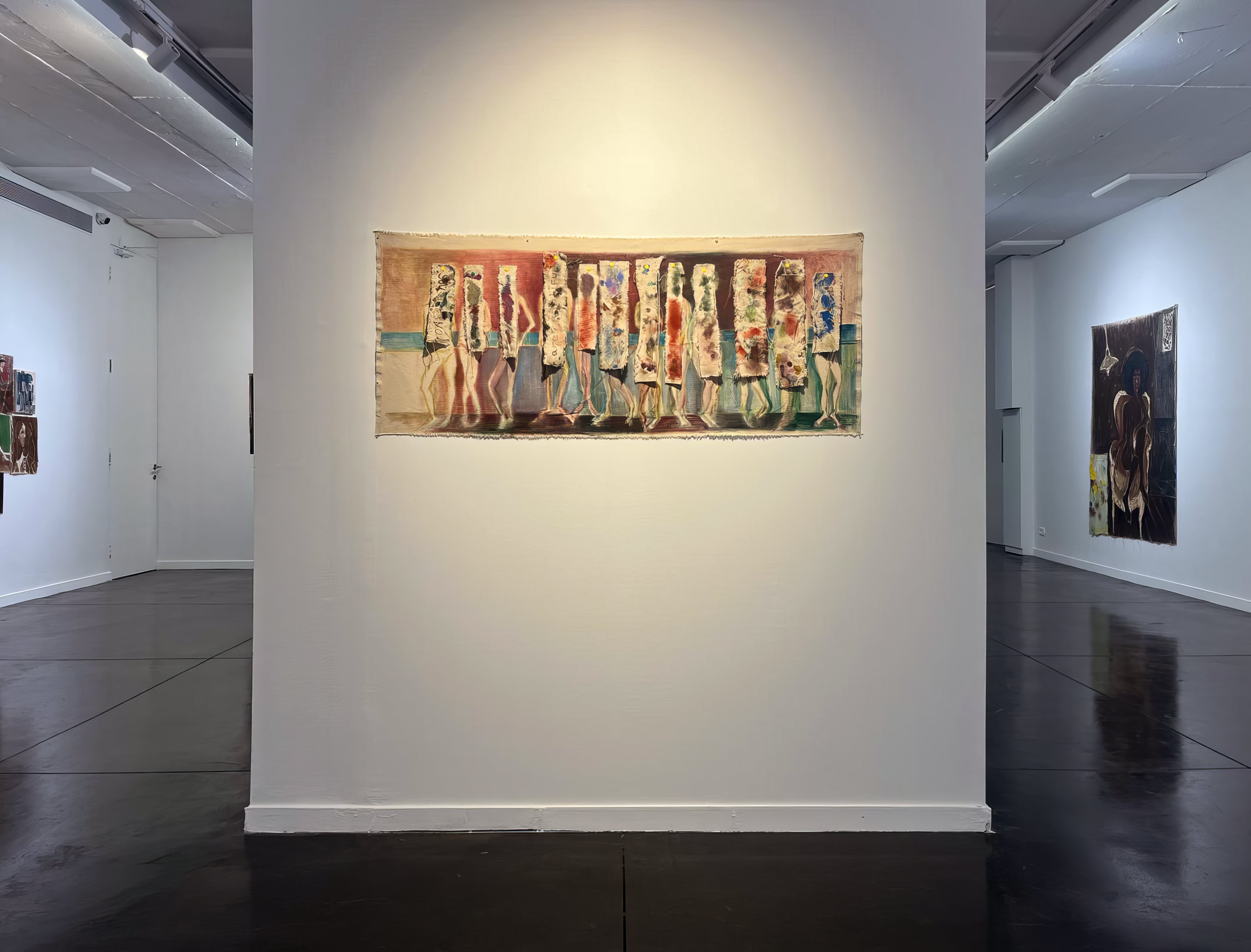
Boyan, The NeverEnding Story, 2026, Installation View at RawArt Gallery
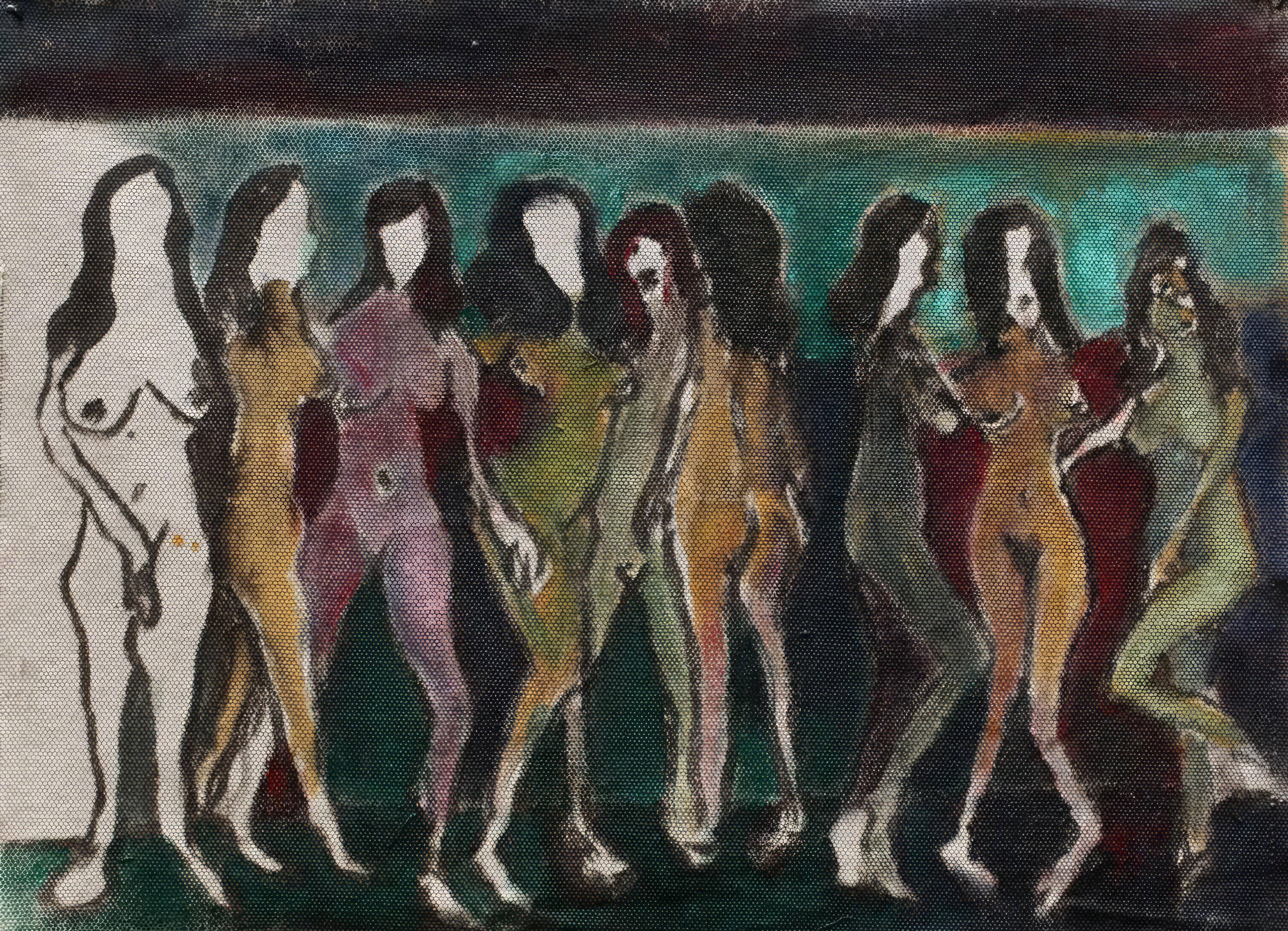
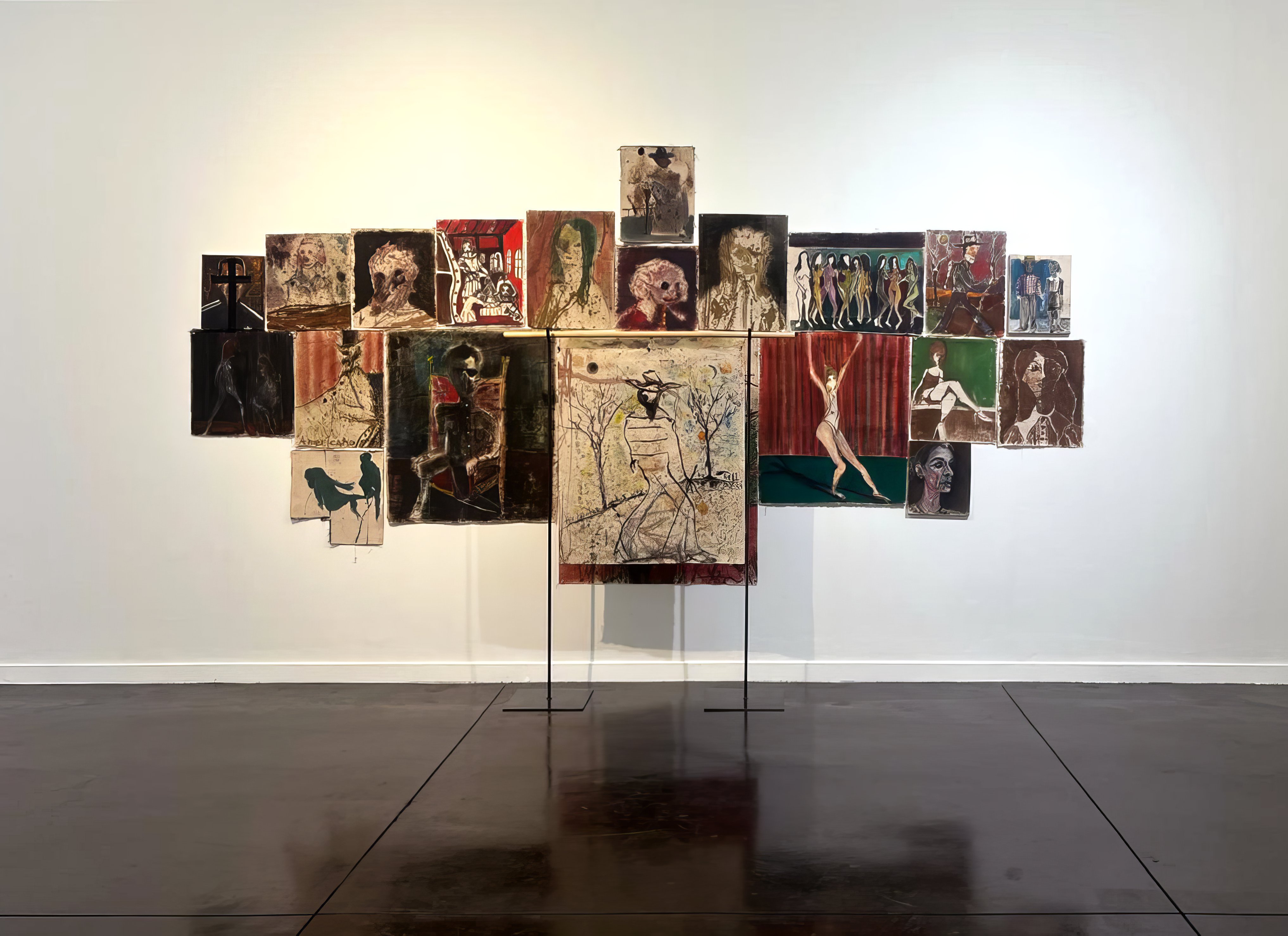
Boyan, The NeverEnding Story, 2026, Installation View at RawArt Gallery
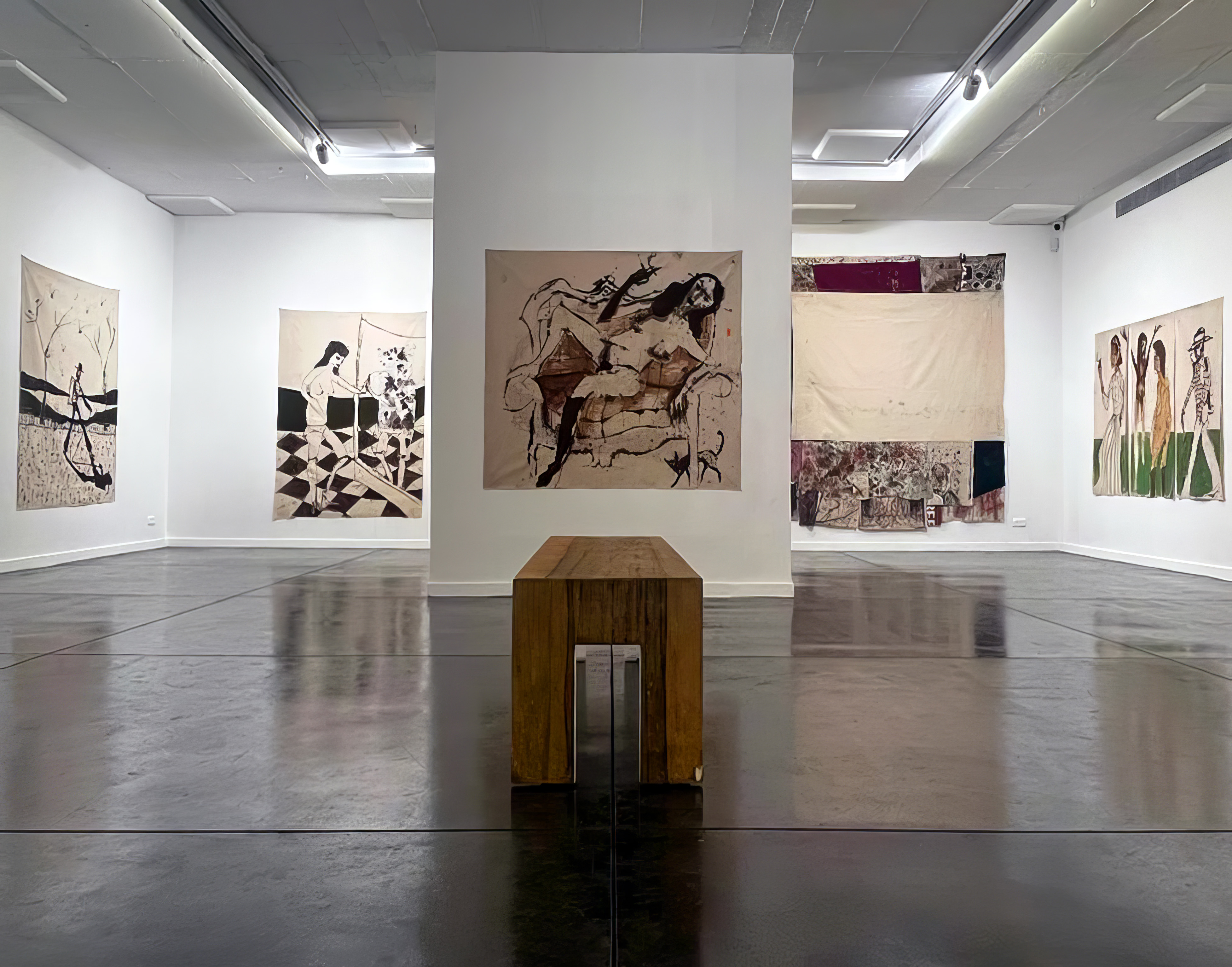
Boyan, The NeverEnding Story, 2026, Installation View at RawArt Gallery
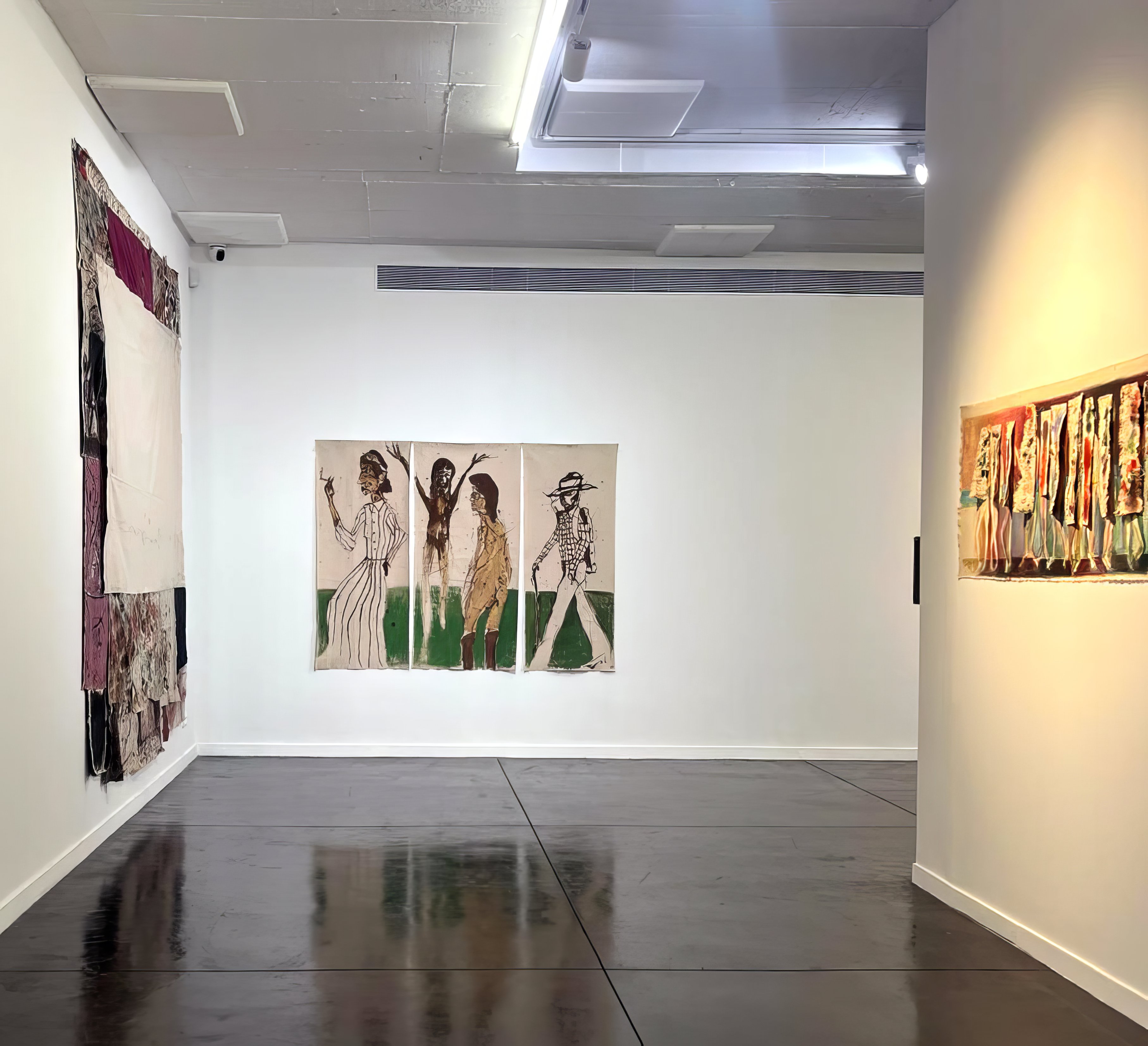
Boyan, The NeverEnding Story, 2026, Installation View at RawArt Gallery